Slack Integration Guide
Last updated: September 15, 2026
Connect Slack to Vector to send Segment activity directly to your team, helping reps see and act on relevant activity without needing to monitor Vector throughout the day.
🔌 Step 1: Connect Slack
Connecting Slack only takes a few steps:
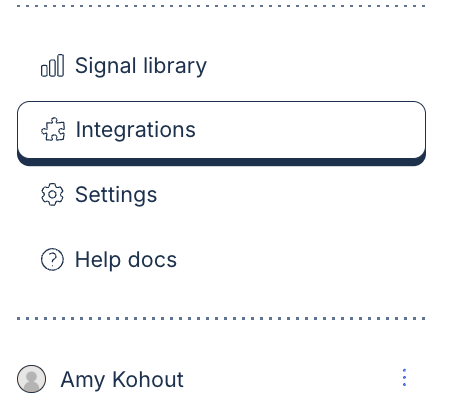
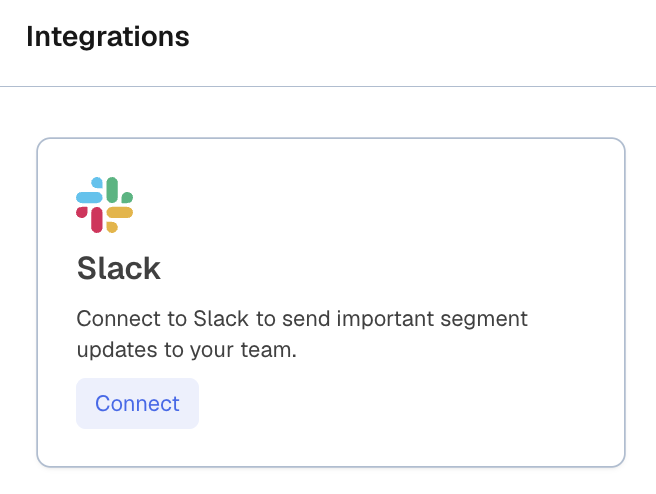
Navigate to Integrations → Slack → Connect.
Choose the Slack workspace and authorize Vector.
Click Allow to finish the connection. ✅
Be sure to select a default Slack channel that is public, not private. We are unable to push notifications to private channels.
Once connected, Slack is available as an action when configuring supported Segments.
Step 2: Add Slack to a Segment
Once Slack is connected, you can add it to any segment as an action. This tells Vector where to send alerts for that segment.
➡ When setting this up, you can:
Send notifications to a Slack channel, and optionally @mention the account owner
DM the account owner directly instead of posting in a channel
Choose what works best for your team!
💡 What’s a segment?
Segments are dynamic groups of contacts based on filters you define—like web behavior, ad engagement, or firmographic traits.
Read more on how to create segments here 🧑🏫
📣 Choose Where Notifications Go
Depending on your workflow, Slack alerts can be routed in a couple of ways:
Send to a channel → Post activity to a Slack channel where your team can monitor it.
Route to the account owner → Notify the appropriate account owner directly or @mention them in the selected channel.
Choose the option that best matches how your sales team works.
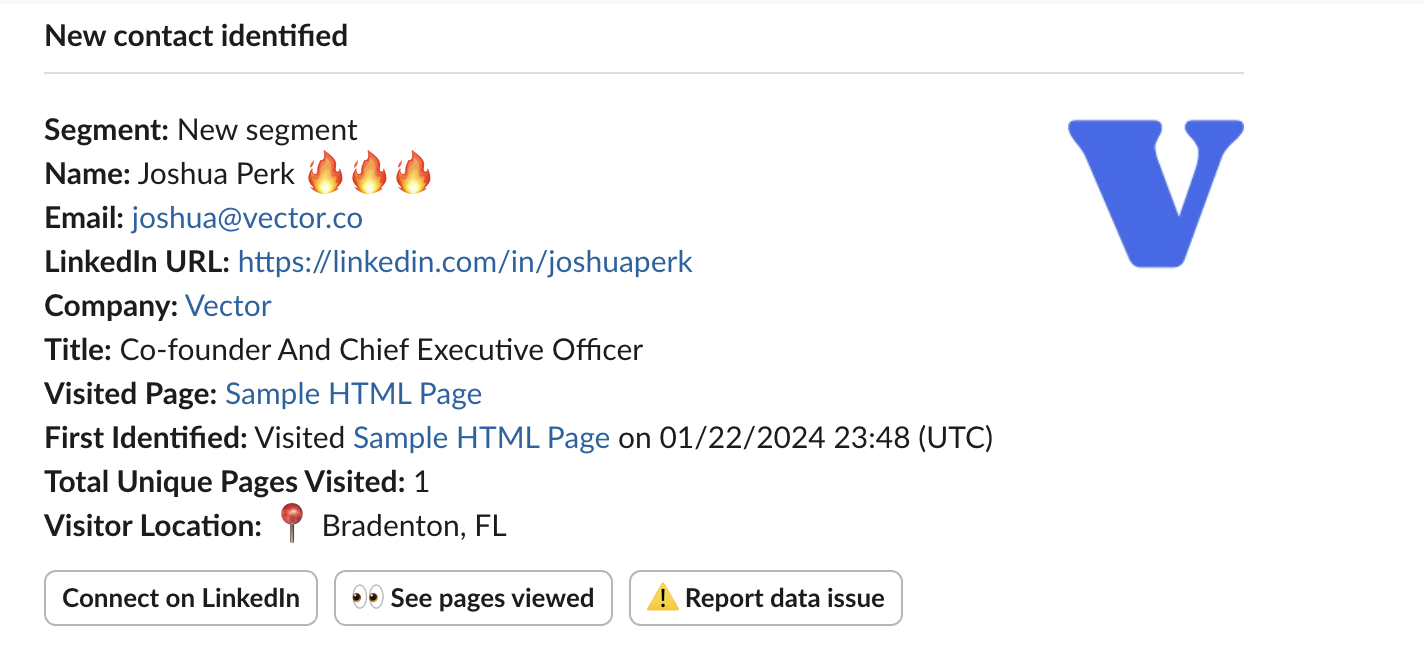
📬 What’s Included in a Slack Notification?
Slack notifications give your team context about the activity that caused a contact to enter the Segment, helping them understand who engaged and what happened without having to start from scratch.
The information included will depend on the Segment and activity being sent.
Here’s a preview of what to expect in Slack:
👤 Routing Alerts to Account Owners
If you want Vector to route notifications based on account ownership, make sure your CRM and ownership data are available in Vector.
To set up owner-based routing:
Connect your supported CRM, such as HubSpot or Salesforce.
Make sure the relevant accounts have owners assigned in your CRM.
Configure the Slack action in your Segment to route or @mention the account owner.
Vector uses the available account-owner mapping to determine who should receive the notification.
💡 Tip: Before rolling this out broadly, test the workflow with a few accounts to make sure ownership in your CRM maps to the people you expect.
🧠 What About Signals?
Vector's Signal Library gives you access to a much broader set of signals for understanding activity across your accounts.
However, new Signal Library signals are not general Segment triggers at launch. You can't create a Segment from any Signal Library signal and automatically send that activity to Slack.
On September 16, Segments remain the activation layer and gain two new account-level conditions:
Tracked Account
Account Stage
Everything else about how Segment data is pushed to destinations remains the same.
For example, individual new signals such as job changes cannot currently be used as Segment conditions simply to trigger a Slack notification.
👉 [Learn more about the Signal Library →]
🛠 Not Receiving Slack Notifications?
If you're expecting Slack notifications but aren't seeing them, check that:
Slack is connected in Integrations.
Slack is added as an action on the Segment.
The correct channel or owner-routing option is selected.
The Segment is active.
If you're routing by account owner, the account has a valid owner available through your connected CRM.
If everything looks correct and you're still not receiving notifications, contact support@vector.co.
🧹 Keep Your Notifications Useful
More alerts aren't always better. Slack notifications work best when they help your team identify activity that's actually worth acting on.
A few best practices:
Be intentional about your Segment criteria. Avoid sending every possible activity into Slack.
Route alerts to the right people. Use account-owner routing when an individual rep should take action.
Use channels for shared visibility. Team channels can work well when multiple people need to see the same activity.
Avoid duplicate workflows. Check whether another Segment is already notifying your team about the same contacts or activity.
Review alerts periodically. If your team starts ignoring a channel, it may be time to tighten the Segment criteria.
💡 Tip: The goal isn't to send every Vector event to Slack. It's to surface the activity your team has decided is important enough to act on.
Need help with your Slack setup? Reach out to support@vector.co.